
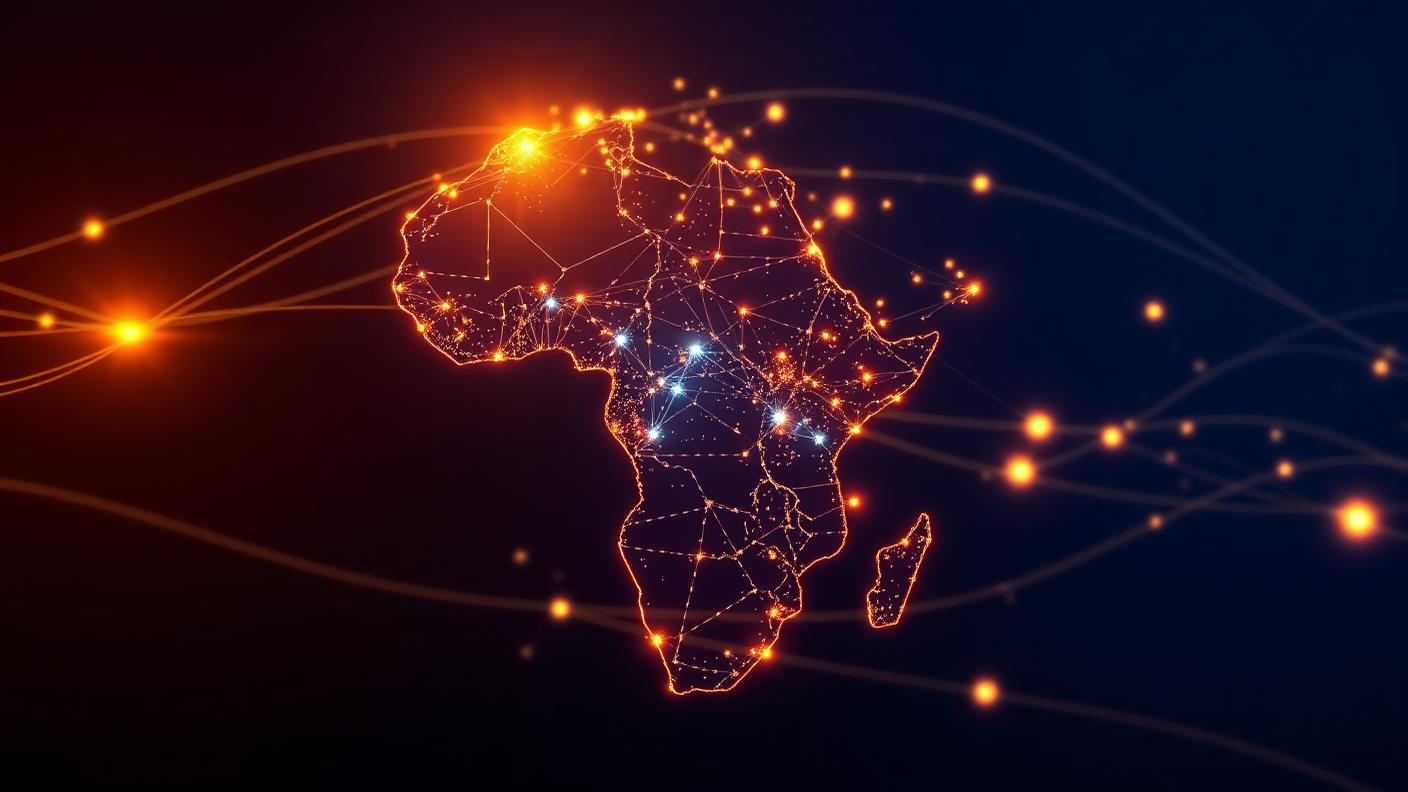
Introduction: The New African Narrative
Africa is no longer the 'future' of global growth; it is the present. With a median age of 19 and a population expected to double by 2050, the continent represents the most dynamic marketplace on earth. However, for brand leaders and marketing directors, the playbook that worked in London, New York, or even Lagos five years ago is rapidly becoming obsolete. The digital landscape is fragmenting, and consumer expectations are evolving faster than infrastructure.
At 247FORTIFY360 COMMUNICATIONS, we observe that the most successful brands are those moving away from 'copy-paste' global campaigns. They are instead embracing a nuanced, tech-driven, and deeply indigenous approach. The convergence of 5G expansion, the African Continental Free Trade Area (AfCFTA), and the explosion of generative AI is creating a unique ecosystem where agility is the only real currency.
This article outlines seven fundamental shifts that will define the next decade of communications in Africa. From the rise of 'invisible' technology to the revitalisation of local dialects, these trends provide a roadmap for any brand seeking to build lasting trust with African consumers. If your strategy does not account for these movements, you are not just falling behind; you are becoming invisible.
1. AI-Driven Hyper-Personalisation
The first major shift is the transition from 'mobile-first' to 'AI-augmented mobile'. While most African internet users access the web via smartphones, the way they interact with these devices is changing. Generative AI is being integrated into WhatsApp and Telegram—the primary communication hubs for millions—allowing brands to provide 24/7 service without the cost of massive call centres.
2. The Return to Localisation and Indigenous Content
English may be the language of business, but local languages are the languages of the heart. As internet penetration reaches the 'next billion' users in rural and peri-urban Africa, the demand for content in indigenous languages is skyrocketing. Brands that translate their core values into local idioms gain an immediate psychological advantage over those that remain strictly Anglophone or Francophone.
Consider the success of fintech startups that use local proverbs in their radio jingles or digital ads. This is not just about translation; it is about cultural resonance. It shows that the brand respects the consumer's heritage. In the future, every major brand operating in Africa will need a multi-lingual content strategy that accounts for the nuances of local slang and cultural taboos.
Practical tip: In Ghana, 'Kente' isn't just a cloth; it's a visual language. Brands that understand these visual and linguistic cues will outperform those that rely on generic Western stock imagery and formal English.
3. The Rise of 'Social-First' Commerce and Trust Networks
Traditional e-commerce platforms often struggle in Africa due to logistics and a lack of trust. In their place, 'Social Commerce' has become the dominant force. Platforms like Instagram, TikTok, and WhatsApp are not just for discovery; they are the storefront, the customer service desk, and the payment gateway. The future of brand communication is conversational, not transactional.
Brands must master the art of 'The DM'. A consumer in Nairobi is more likely to buy a product after a direct chat with a brand representative on WhatsApp than by clicking a 'Buy Now' button on a static website. This shift requires a workforce trained in social sales and real-time community management. It also requires a robust integration between your marketing and logistics teams.
Africa's digital economy is built on trust. If you cannot answer a WhatsApp query in five minutes, you have lost the sale to a local vendor who can.
4. Pan-Africanism and Cross-Border Branding
The AfCFTA is the world's largest free trade area, and it is fundamentally changing how brands communicate. We are seeing the rise of the 'Pan-African Brand'—companies that operate in Ghana but market to Egypt, Rwanda, and South Africa simultaneously. This requires a delicate balance: maintaining a consistent brand identity while pivoting local executions to fit different regulatory and cultural landscapes.
5. Authenticity and 'Proof of Impact' Storytelling
African consumers, particularly Gen Z, are increasingly skeptical of 'Greenwashing'. They want to know how a brand is impacting their immediate community. Communications must shift from talking about 'Global Corporate Social Responsibility' to 'Local Social Impact'. Whether it is job creation, clean water initiatives, or supporting local artisans, the impact must be visible and verifiable.
Transparency is non-negotiable. With the rise of citizen journalism, any discrepancy between what a brand says and what it does is quickly exposed. Future-proof brands will integrate sustainability reports into their everyday storytelling, using video and interactive data to show—not just tell—their contribution to the continent's development.
Practical tip: Always provide 'Proof of Impact'. If your brand claims to support local farmers, feature those farmers in your digital content. Let them tell their own stories in their own voices.
6. From Celebrities to Community Creators
The era of the 'Mega-Influencer' with millions of followers is being challenged by the 'Micro-Creator' with a highly engaged, niche audience. In the African context, community leaders, local experts, and niche creators often hold more sway than celebrities. These creators are the new media houses. Brands must shift their budgets from traditional billboard and TV buys toward long-term partnerships with these trusted voices.
7. Data Sovereignty and Owned Media Channels
As African nations implement stricter data protection laws (like Ghana's Data Protection Act or Nigeria's NDPR), brands must pivot away from third-party data. The future belongs to brands that own their audience. This means building robust email lists, SMS databases, and community forums where data is collected ethically and directly from the consumer.
Zero-party data—data that customers intentionally share with you—will be the gold standard. You can obtain this through interactive quizzes, value-exchange loyalty programmes, and high-quality newsletters. By owning the relationship, brands insulate themselves from the algorithm changes of Silicon Valley tech giants and ensure they can reach their customers regardless of platform shifts.
Conclusion: Leading the African Renaissance
The future of communications in Africa is complex, vibrant, and incredibly rewarding for those who are prepared. The shift toward AI-integrated messaging, indigenous language content, and social commerce is not a suggestion—it is a survival requirement. Brands that continue to view Africa through a monolithic lens will fail to capture the immense opportunities presented by the world's most youthful market.
At 247FORTIFY360 COMMUNICATIONS, we specialise in navigating these seven shifts. Whether you are a multinational looking to enter the West African market or a local enterprise ready to scale across the continent, we provide the strategic insight, digital prowess, and cultural intelligence you need to lead. From high-level PR and branding to AI-driven marketing and professional publishing, we are your partner in building a future-proof brand.
Don't leave your brand's future to chance. Visit www.247fortify360communications.com today to book a strategy consultation and let us help you command the African stage with authority.
Further reading
Ready to grow with 247FORTIFY360?
We build brands, websites, campaigns and AI-powered marketing systems that attract customers and grow revenue. Let's talk about your goals.
Related articles

Crisis Communication in the Age of Social Media: A PR Playbook
Social media has compressed the crisis response window from hours to minutes. Learn how to navigate modern PR storms with our comprehensive playbook for business leaders.
Read More
How to Write Website Copy That Converts: A Step-by-Step Guide
Stop losing leads to boring, self-centred website content. Learn our agency-proven framework for writing high-converting copy that turns casual browsers into loyal clients.
Read More